
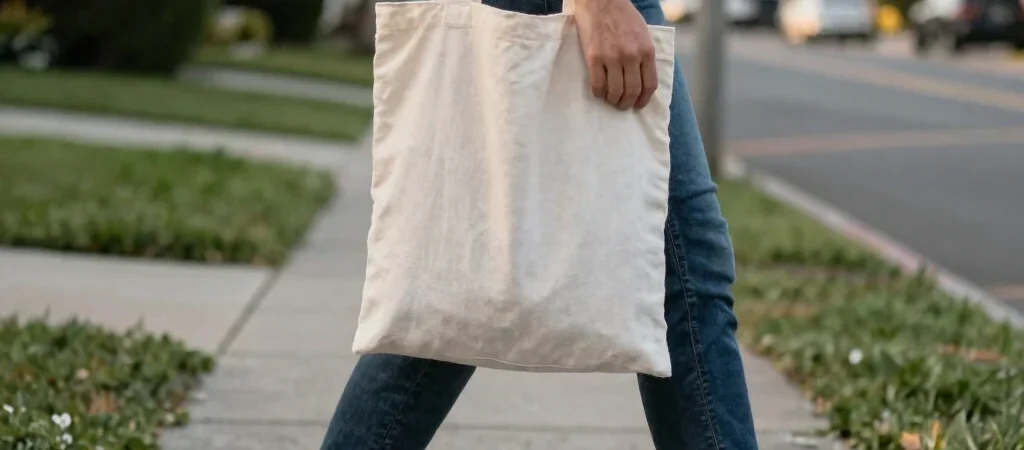
Halfway through a walk, a heavy tote can start tugging one shoulder down, and the urge may be to force yourself into a more upright posture. Before correcting anything, notice what you are carrying, how quickly you are walking, and where your feet meet the ground. Everyday body mechanics are shaped by these details as much as by an idealized pose.
Adjust the load first
If you can, switch the bag to the other side or divide its contents between two hands. A backpack with both straps adjusted comfortably may spread the load differently from a single shoulder bag. There is no one right setup for everyone, but an obvious tug is a good reason to experiment.
Then let your arms swing in a way that feels natural and give your stride room to shorten or lengthen slightly. Trying to hold your shoulders in one fixed position can make walking feel like another task to manage. Look for a pace you can sustain while still noticing the street around you.
Use the walk as feedback
Notice whether discomfort changes when you slow down, choose a smoother route, or set the bag down for a moment. These observations are not a substitute for professional guidance if pain persists or concerns you; they are a way to pay attention during ordinary movement. Your body’s response can help you decide what is worth adjusting.
Make attention practical
A conscious walk does not require perfect posture or constant monitoring. Check in at a crossing, after climbing stairs, or when you reach your destination: What feels strained, and what helped? Keep the adjustment that makes daily movement easier, and let the rest go.